



This week marks 20 years since High Wycombe found itself at the centre of anti-terrorism raids.
In August 2006, armed police officers descended on the town as part of a huge anti-terror operation linked to an al-Qaeda-inspired plot to detonate liquid explosives on transatlantic airliners travelling from the UK to North America.
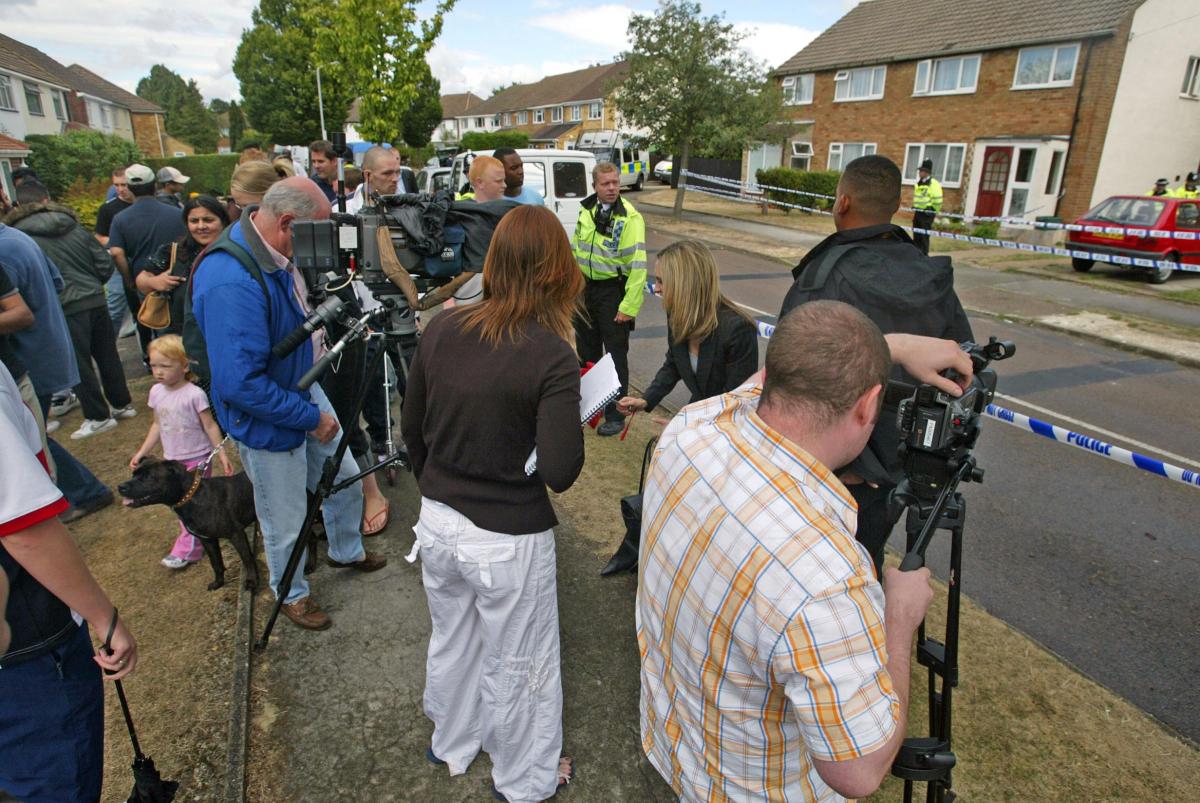
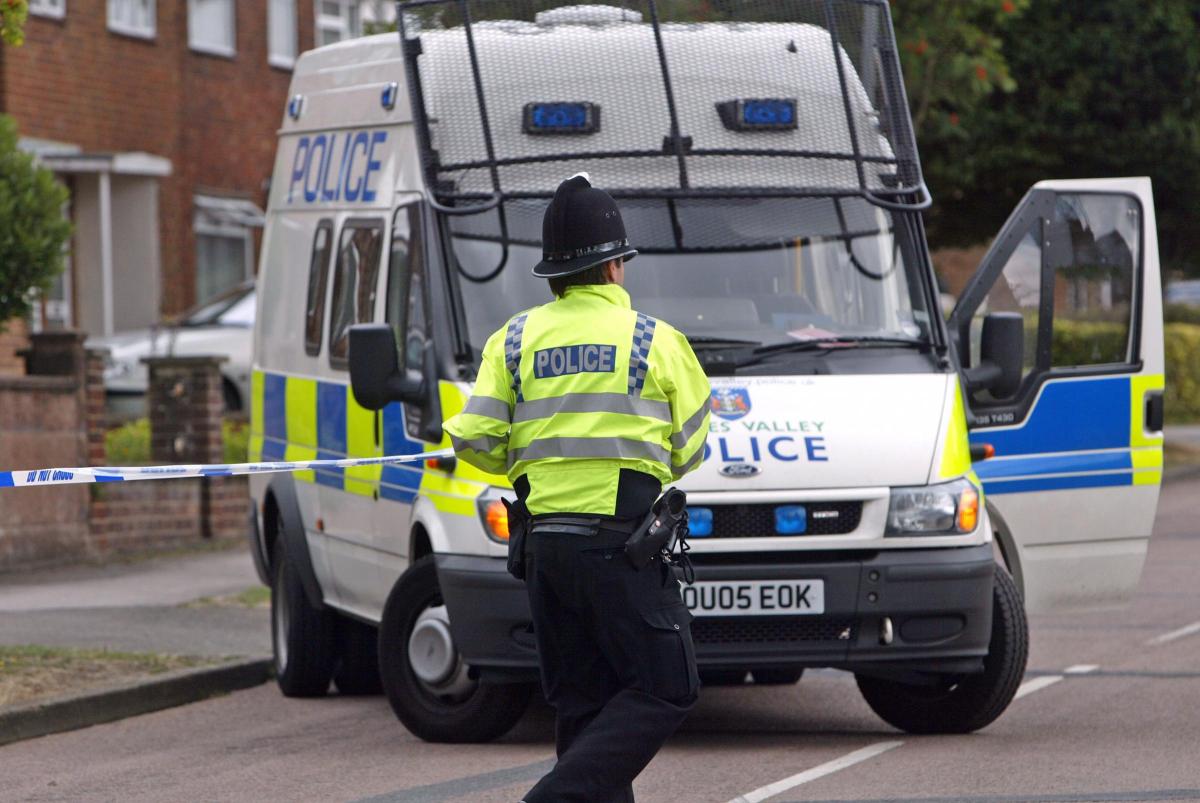
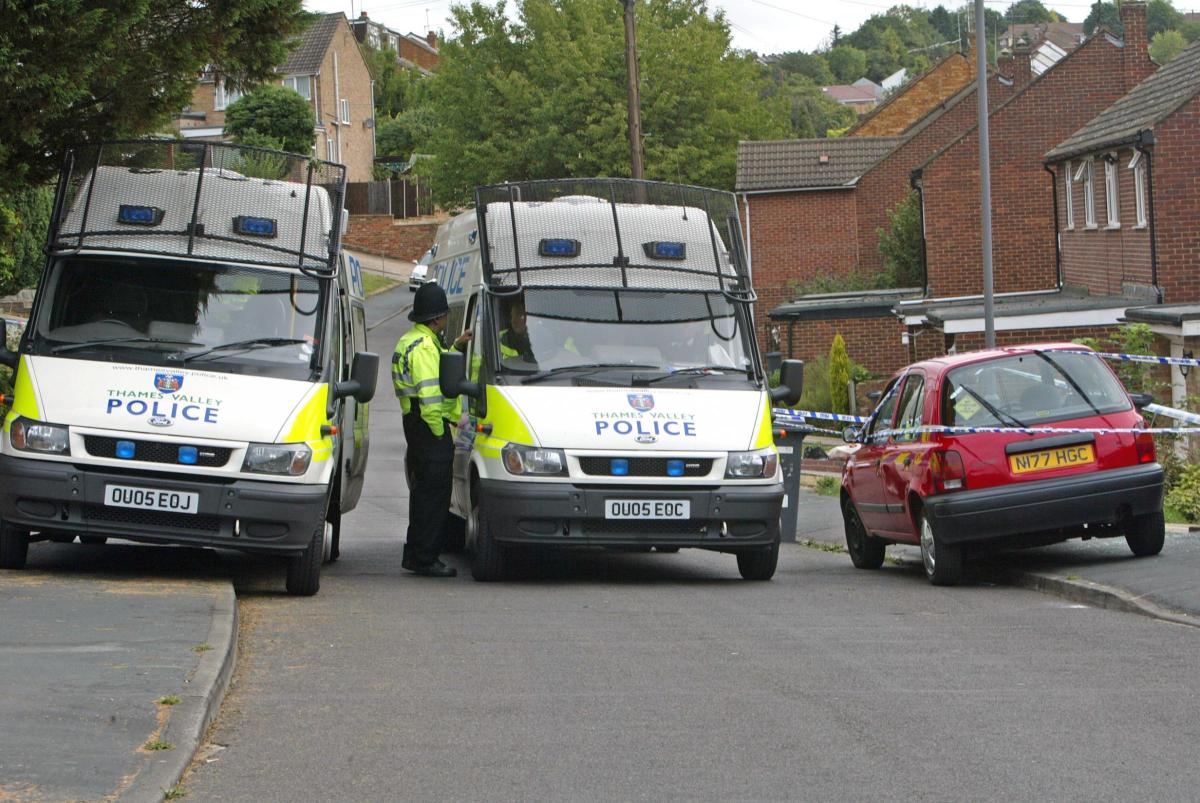
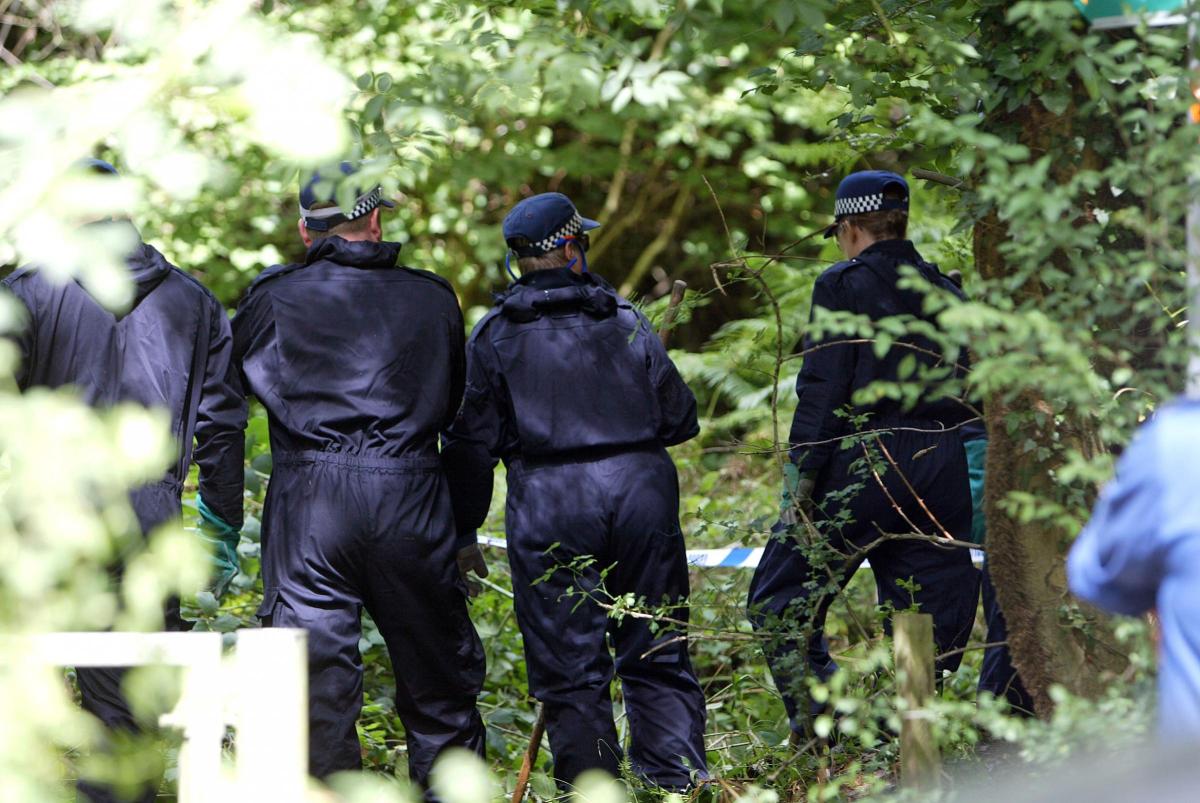
Residential streets were suddenly filled with police vehicles, national news crews arrived in force, and woodland areas across the town were sealed off as officers searched for evidence connected to what was feared could become an attack on an unprecedented scale.
The operation followed a surveillance investigation after intelligence agencies uncovered plans to target passenger aircraft leaving Heathrow Airport.
Properties in Micklefield, Totteridge, Downley and the town centre became the subject of intense investigation.
Residents awoke on August 10, 2006, to find homes in Micklefield Road and Walton Drive surrounded by police tape while officers searched addresses linked to the inquiry.
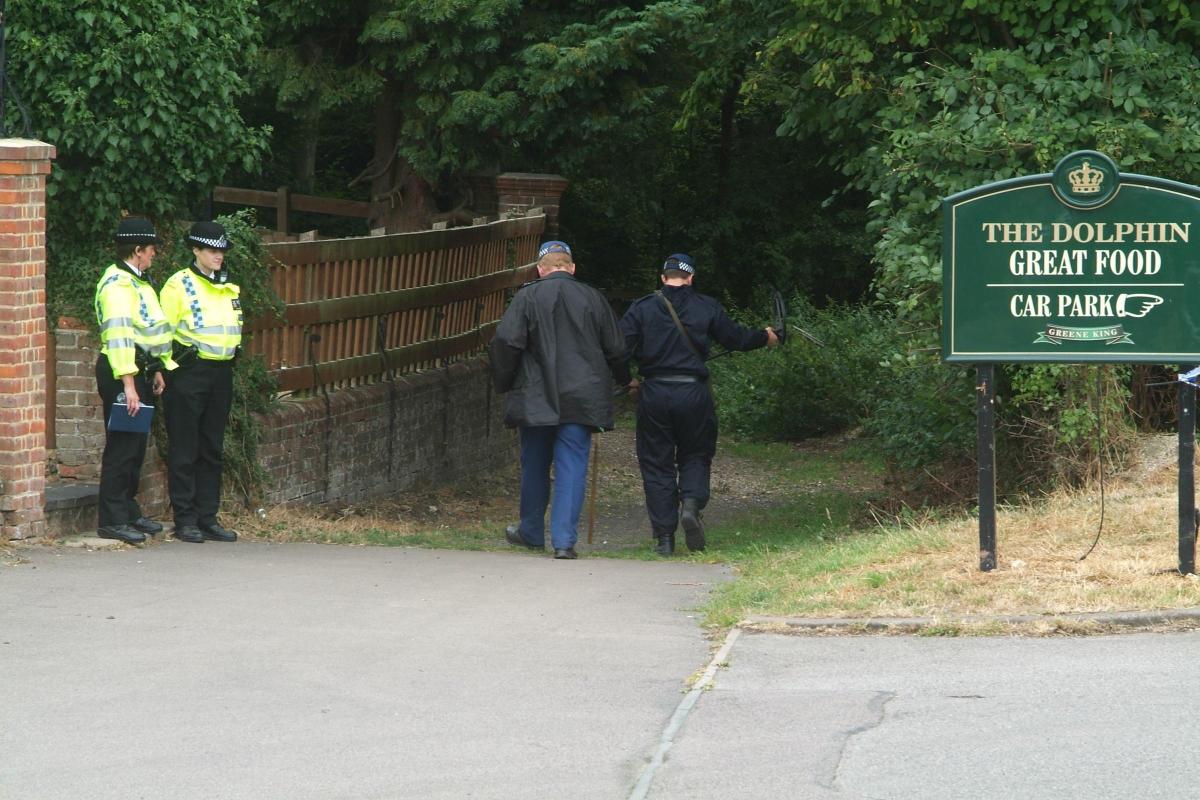
An area of woodland off Forest Way was also cordoned off.
The raids formed part of a nationwide operation which resulted in dozens of arrests across High Wycombe, London and Birmingham.
In the days that followed officers drafted in from around the country combed sites across the town.
King's Wood in Totteridge remained behind police cordons for weeks.
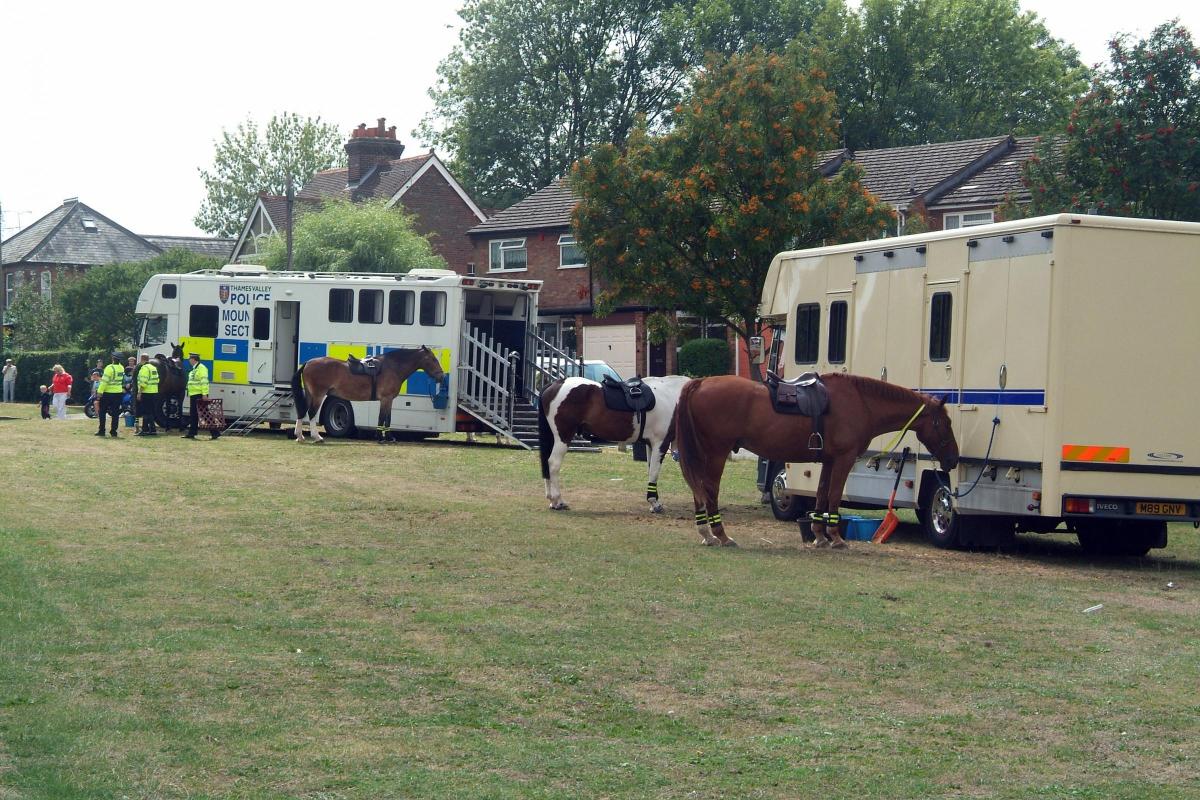
Mounted police officers were brought in to help scour the woods for evidence.
The Metropolitan Police established an operational base at the Dolphin pub, while the sprawling investigation became a daily fixture in local and national headlines.
The Bucks Free Press closely followed developments as they unfolded.
A timeline published by the newspaper chronicled how events progressed through August and September.
Following the initial raids on August 10, King's Wood was sealed off the next day as police searched for bomb-making materials.
On August 14, then Wycombe MP Paul Goodman delivered a speech on community cohesion.
The following day, Britain's airport threat level was downgraded from critical to severe. Later searches extended beyond King's Wood, with officers investigating areas including Sunter's Wood in Booker and Fennell's Wood near Loudwater.
As the operation continued, two High Wycombe men appeared in court charged with conspiracy to murder and preparing acts of terrorism. A third local man was later charged with terrorism and firearms offences, while other suspects were released without charge.
The extensive searches reportedly lasted 19 weeks and cost around £7.4 million.
Read more:
Terrorists with Bucks links who planned airline bomb attacks bid for jail release
'Why we need to stop using prisons as the default response to crime'
PC Harper killers' early release petition nearly at 1m as Bucks expert speaks out
Among those arrested in connection with the High Wycombe searches were Umar Islam, formerly known as Brian Young, and Assad Ali Sarwar.
Sarwar was later described by prosecutors as the "quartermaster" of a plot to destroy seven transatlantic passenger jets using liquid explosives disguised as soft drinks.
After a six-month trial at Woolwich Crown Court, Sarwar was convicted of conspiracy to commit murder on board transatlantic jets, having previously been convicted of a general conspiracy to murder charge.
The court heard that Sarwar, of Totteridge, and plot leader Abdulla Ahmed Ali travelled to Pakistan in the summer of 2006, where Sarwar was taught how to make bombs from hydrogen peroxide.
A report written at the time reads that Peter Wright QC, prosecuting, told the court: "It is the Crown's case that this plot was directed from Pakistan.
"This was part of a much wider scheme of things: acts of terrorism on an international scale, directed from abroad using home-grown terrorists, young radicalised terrorists prepared to lose their lives in a global act of Jihad."
The court report continues to say that anti-terror police had bugged a terraced house in Forest Road, Walthamstow, which Ali and Tanvir Hussain were using as a bomb factory.
The pair were caught discussing the possibility of attacking as many as 18 flights at the same time.
When officers moved in on August 9, 2006, they found a computer memory stick in Ali's pocket containing flight schedules for American and Canadian airlines, with seven specific departure times highlighted in bold.
In simultaneous raids, 38 litres of hydrogen peroxide, the main explosive used by the 7/7 bombers, were found at or near Sarwar's home.
Sarwar, Ali and Hussain were convicted by a majority of 11 to one of conspiracy to murder on board transatlantic jets, having already been convicted of a general conspiracy to murder.
Islam was convicted of conspiracy to murder, although jurors were unable to reach a verdict on the transatlantic jet plot charge against him.
Sarwar was later sentenced to a minimum of 36 years in prison, while Islam was also convicted for his role in the wider plot.
While the criminal case eventually concluded, the impact of the events stretched far beyond the courtroom.
Perhaps the most visible legacy remains the restrictions travellers still encounter at airports today.
In the aftermath of the plot's discovery, airports imposed emergency bans on liquids in hand luggage. Although rules have evolved over the years, the restrictions introduced in response to the 2006 investigation transformed air travel across the world.
Back in High Wycombe, concerns about the raids were later explored in a film produced by local teenagers put online
Titled An Extreme Close Up on Wycombe, the 10-minute documentary was created in 2008 as part of a council project examining how the raids affected young people.
Participants spoke candidly about the atmosphere in schools after the operation, describing a "greater divide" in some classrooms and recalling how people began looking at them differently.
Some said residents became fearful of areas connected to those arrested, while others spoke about the challenge of maintaining community cohesion in the wake of such an extraordinary event.
The terror raids placed High Wycombe under the gaze of the world's media and two decades later, it remains one of the most extraordinary stories ever to unfold on the streets of High Wycombe.


Share